RITUALS OF ASSEMBLY

DESIGN STUDIO, TU WIEN
Rituals of Assembly is a design studio that approaches architecture as a shared ritual—one that connects material, social, and cultural narratives to uncover new spatial possibilities.
Developed within the broader urban regeneration process of the Stadtgarten, a former flower nursery in Gmunden, Austria, the studio was conducted in collaboration with students from the Institute of Architectural Design at TU Wien. Together, participants explored procedural modes of production and cycles of assembly and disassembly through a series of full-scale interventions.


At the core of the studio was an iterative process of prototyping, where making itself became a collective ritual. Emphasizing rhythm, participation, and shared authorship, the project fostered a sense of involvement and identity within the local community. The work unfolded through a sequence of experiments across different scales, beginning with a performative site analysis, continuing through off-site ritual prototypes, and culminating in on-site construction activities developed in close collaboration with local residents.
STADT/GARTEN ACTIVATION
The resulting interventions highlighted the potential of regional resource networks while opening new perspectives for the future development of the site. By activating bottom-up initiatives and collective forms of stewardship, the studio sought to generate lasting social and spatial impact.
![]()
The resulting interventions highlighted the potential of regional resource networks while opening new perspectives for the future development of the site. By activating bottom-up initiatives and collective forms of stewardship, the studio sought to generate lasting social and spatial impact.

Among the outcomes was a new entrance space named “Well Bell”, centered around an existing water well. The intervention includes an L-shaped brick bench, decorated with the participation of a local kindergarten, and a newly constructed bell tower that acts as a sonic marker of the site’s ongoing revitalization.


Another project, “Tale-Tiles,” transformed a former Stadtgarten shopfront into an open workshop equipped with custom tile-making stations. Drawing on local clay resources and regional ceramic traditions, the initiative developed a site-specific graphic language intended to transmit stories and events across generations. Local polytechnic students were actively involved in the process and will continue to contribute to the workshop’s future development.


The studio also produced “Allee für Alle” (Boulevard for All), an intervention that challenges the progressive mineralization of the site through collective tree planting. Community members were invited to donate, plant, and care for new trees, transforming the act of cultivation into a shared civic practice. The project subsequently inspired a public petition advocating for regular public access to the site and contributed to the formation of a community dedicated to its long-term maintenance.


Rituals of Assembly forms part of the programme of the LINA European Architecture Platform, a network connecting established institutions with emerging practitioners in architecture, design, and art to develop collaborative responses to the climate crisis.
TEAM
ORGANIZERS
Institute of Architectural Design
Research Unit Architectural Typology and Design
TU Wien
Bioregional Agency
Gordon Selbach
Jakob Travnik
COURSE TUTORS
Thomas Amman
Max Melvill
Gian Maria Socci
LOCATION
Gmunden, Austria
PARTICIPANTS
Leon Anderle
Marie Brandt
Martin Bruckeder
Brent DeSchepper
Sara Fetzer
Kaya-Sophie Li Hamann
LilianeHerberth
Lucia Herz
Maximilian Liko
Mikkel Mensching
Naomi Rath
Raphael Rötzer
Felix Schimmel
Romina Wagner
SUPPORT
TU Wien
LINA Euopean Architecture Platform
PHOTOS
Paul Sebesta
COPYRIGHT 2026
SPACE SAL00N
PROTOTYPING AN ARCHIVE

LJUBLJANA, SOLVENIA
Space Saloon and The MAAK’s Rrrubble: Prototyping an Archive is a hands-on workshop that questions the way we see, represent and think of discarded objects and material memory.
Guided by Marxist terminology, participants engaged in a collective, hands-on analysis of items found in the basement of Ljubljana’s Museum of Architecture and Design. Through a series of playful, action-based drawing prompts, participants attempted to capture their unique, often inexpressible essence. Moving between intellectual analysis and intuitive mark making, the workshop invited participants to rethink architectural representation to embrace a deeper intertwining with things.


TEAM
ORGANIZER
LINA Architecture Platform
LOCATION
Museum of Architecture and Design,
Ljubljana
SUPPORT
LINA Architecture Platform
COPYRIGHT 2026
SPACE SAL00N
LOVE THY MONSTERS

Tbilisi Architecture Biennial Furniture Workshop
‘Love Thy Monsters’ is an exhibition of site-specific furniture that raises awareness around the illegal dumping of construction waste in Dighomi Meadows, one of the last remaining riparian forests in the region of Tbilisi, Georgia.
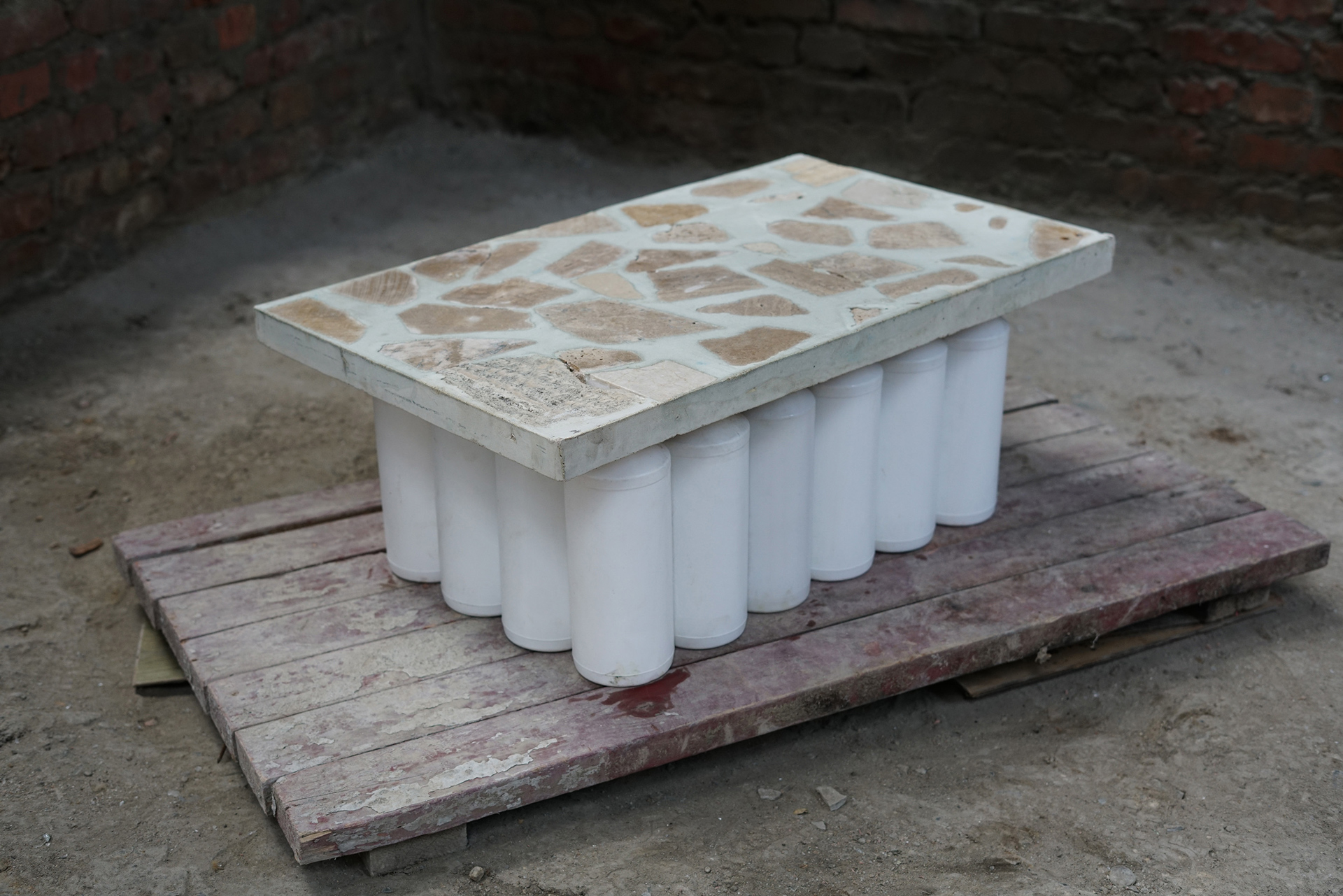
In association with the Tbilisi Architecture Biennial (TAB), the furniture components are the kickstarter to a larger project aimed at transforming a derelict power station into an active community space. While the ‘Love Thy Monsters’ address the harm of societal waste, it also points to the opportunities possible in more circular thinking in the design and construction industry.
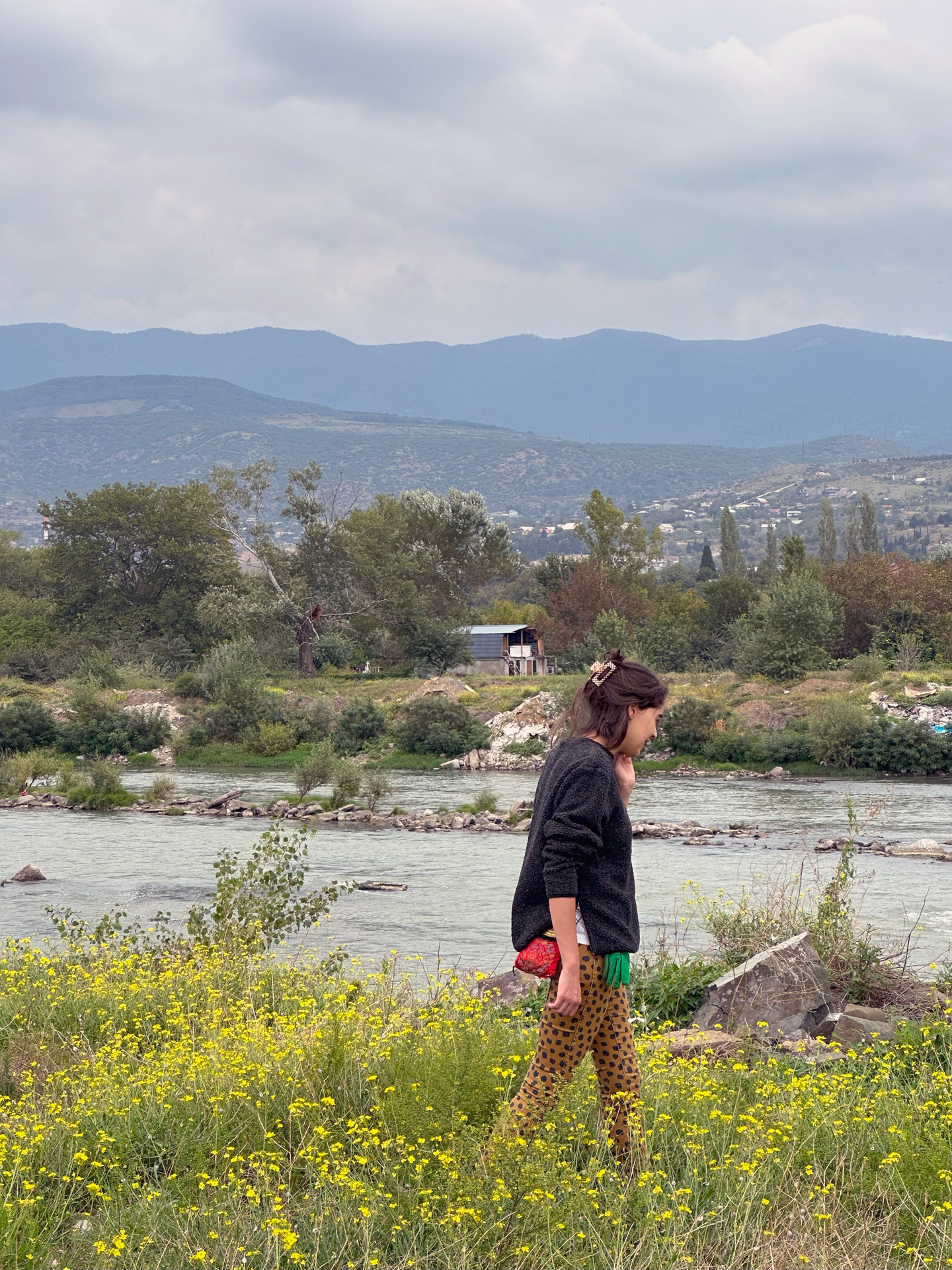
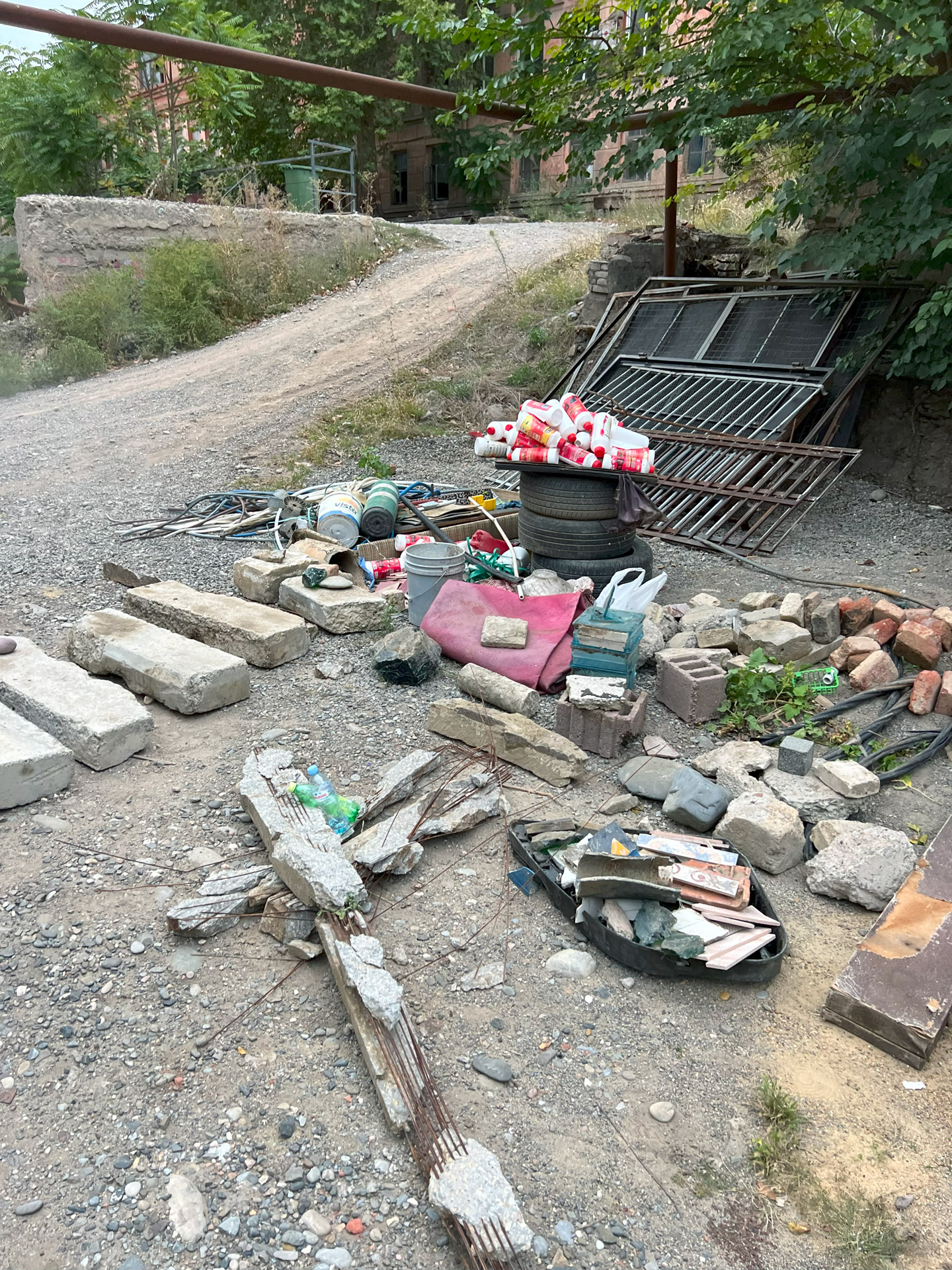
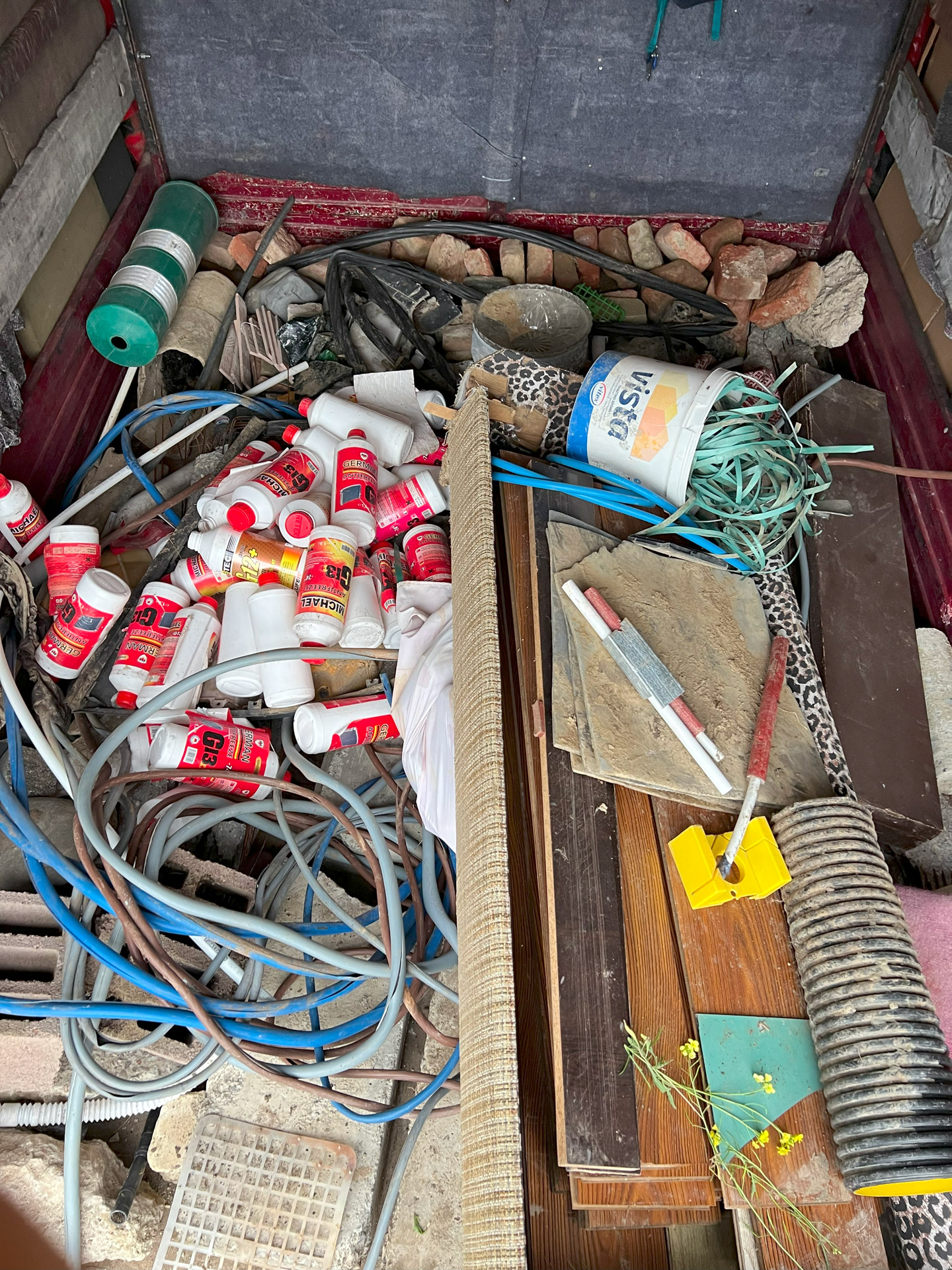

The MAAK and Space Saloon, as part of their collaborative LINA fellowship, led a group of local creatives and artisans through hands-on prototyping using found materials from Dighomi Meadows. Each custom-made piece tells a particular story on the long-term environmental damage to the area. Lighting fixtures, shelving units and tables of various sizes - exhibited alongside audio recordings, block prints and physical samples from the site - bring focus to their material roots.
![]()


OPENING EVENT
![]()

At the end of the weeklong making process, the furniture pieces launched the soft opening of Mutant Radio’s new ‘listening bar’ and cafe. Both in-person, and through live on-air broadcasts, broad awareness was brought to the Dighomi Meadows industrial tragedy. By inspiring new worth to what we waste (as well as provoking change in our industry), the project brings into question the role and agency of materials in creative practices.


TEAM
ORGANIZER
Tbilisi Architecture Biennial
LOCATION
Tbilisi, Georgia
PHOTOS
Nino Kakabadze
PARTICIPANTS
Tekla Mamphoria
Pavle Sakhanberidze
Mariam Akhalaia
Dato Gachechiladze
Elene Latchkepiani
Lika Tsintsadze
Lado Landashvili
Giorgi Kartvelishvili
Gvantsa Tskhadadze
Josephine Bols
Josephine Storer
Christina Amundsen
Nina Avdalyan
Ivan Gventsadze
Nutsa Labadze
Ryogyry
SUPPORT
Mutant Radio
LINA Platform
COPYRIGHT 2023
SPACE SAL00N
MAKE HEAVEN FROM WHAT YOU HAVE

RRRUBBLE @ VICTORY SQUARE
RRRUBBLE, the collective research project by Space Saloon and The MAAK, aims to rethink the role of resources and agency in architectural production. In October 2023, the RRRUBBLE methodology was put into action in Timișoara, Romania as part of the Timișoara Architecture Biennial (BETA) European Capital of Culture. Supported through the LINA platform, BETA invited the team to explore ways in which Victory Square could be re-imagined and enhanced by its public users. Together with students from the Polytechnic University of Timisoara, Faculty of Architecture and Urbanism, the group chose to focus the temporary interventions inside the abandoned underground stairwells of the square.

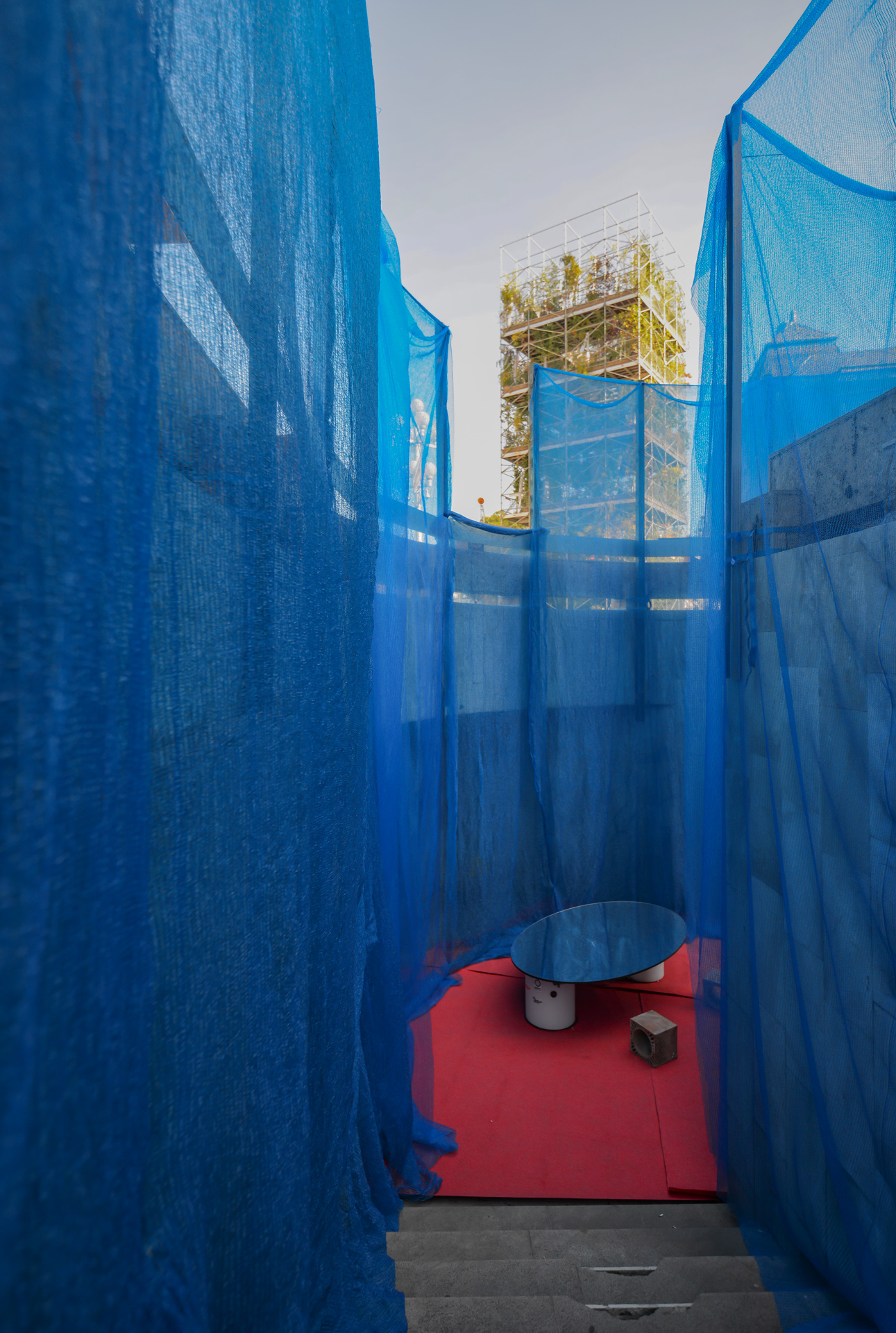
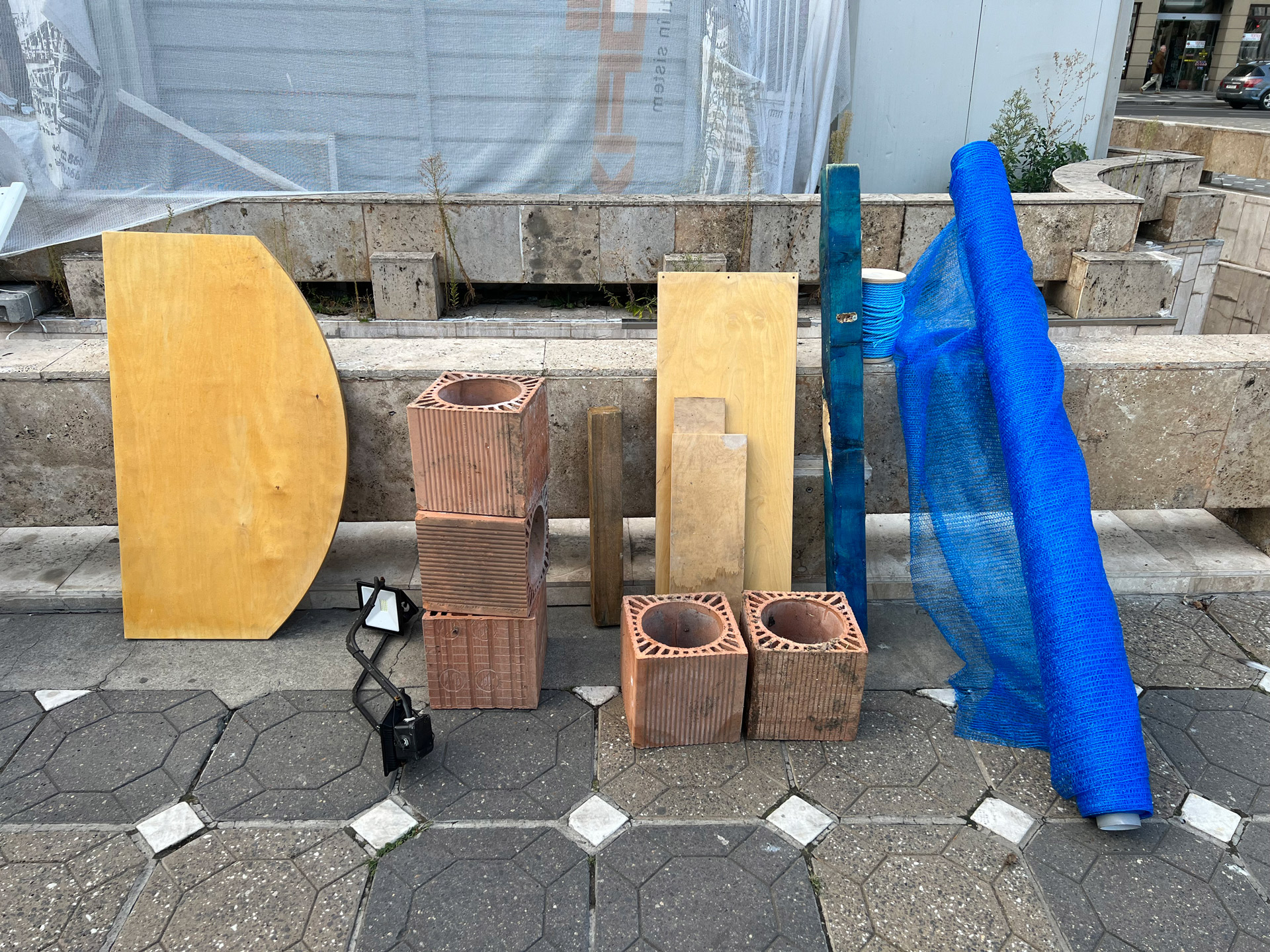
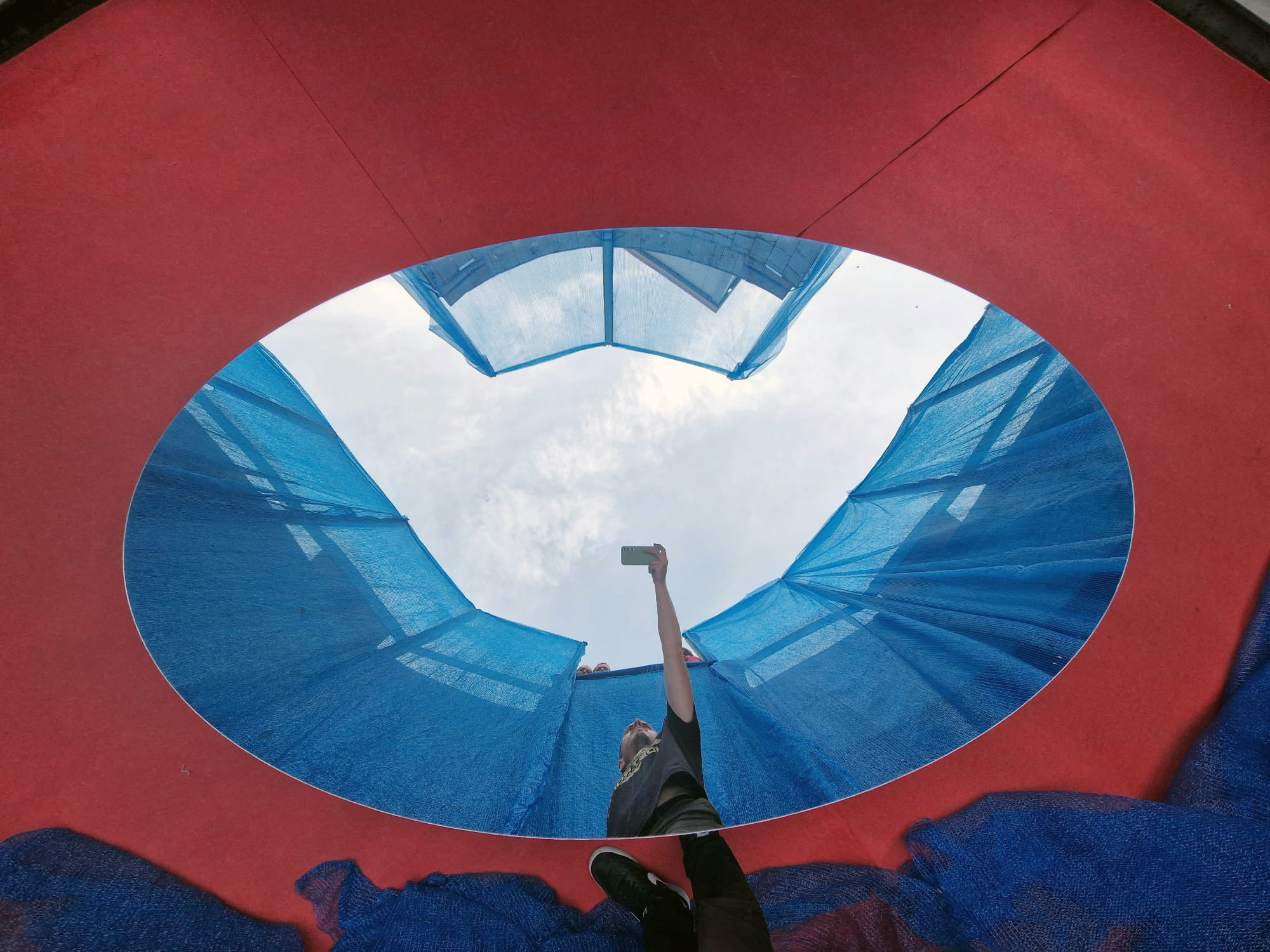
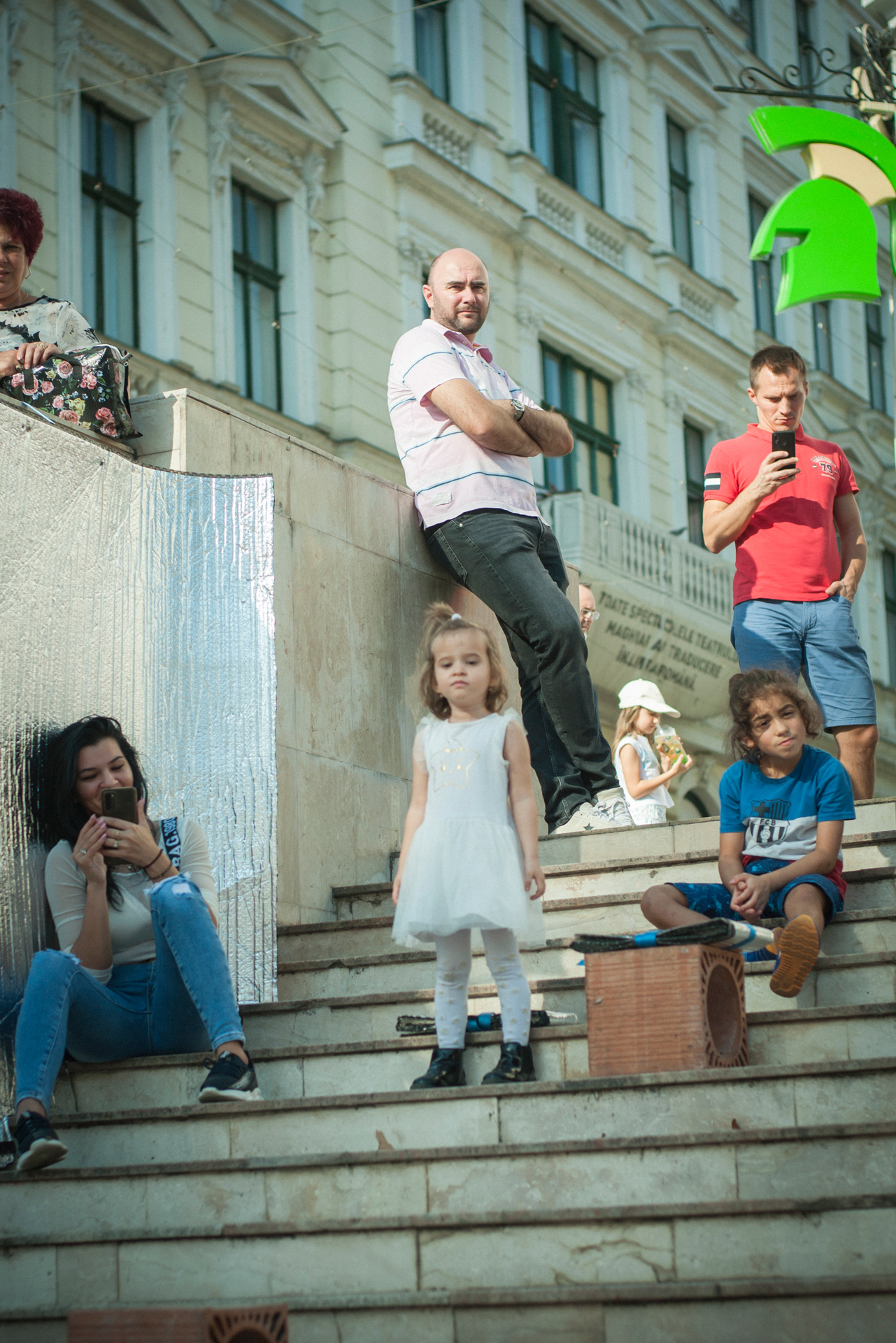
The team mined through BETA’s storage archive of previous installations, exhibitions and biennials, mapping usable materials and prototyping on-site. Over the course of a week, participants collectively reframed the use of the staircases through spatial activations and urban actions - transforming one site into a busker-friendly public stage and the other into a tranquil public ‘living-room’.



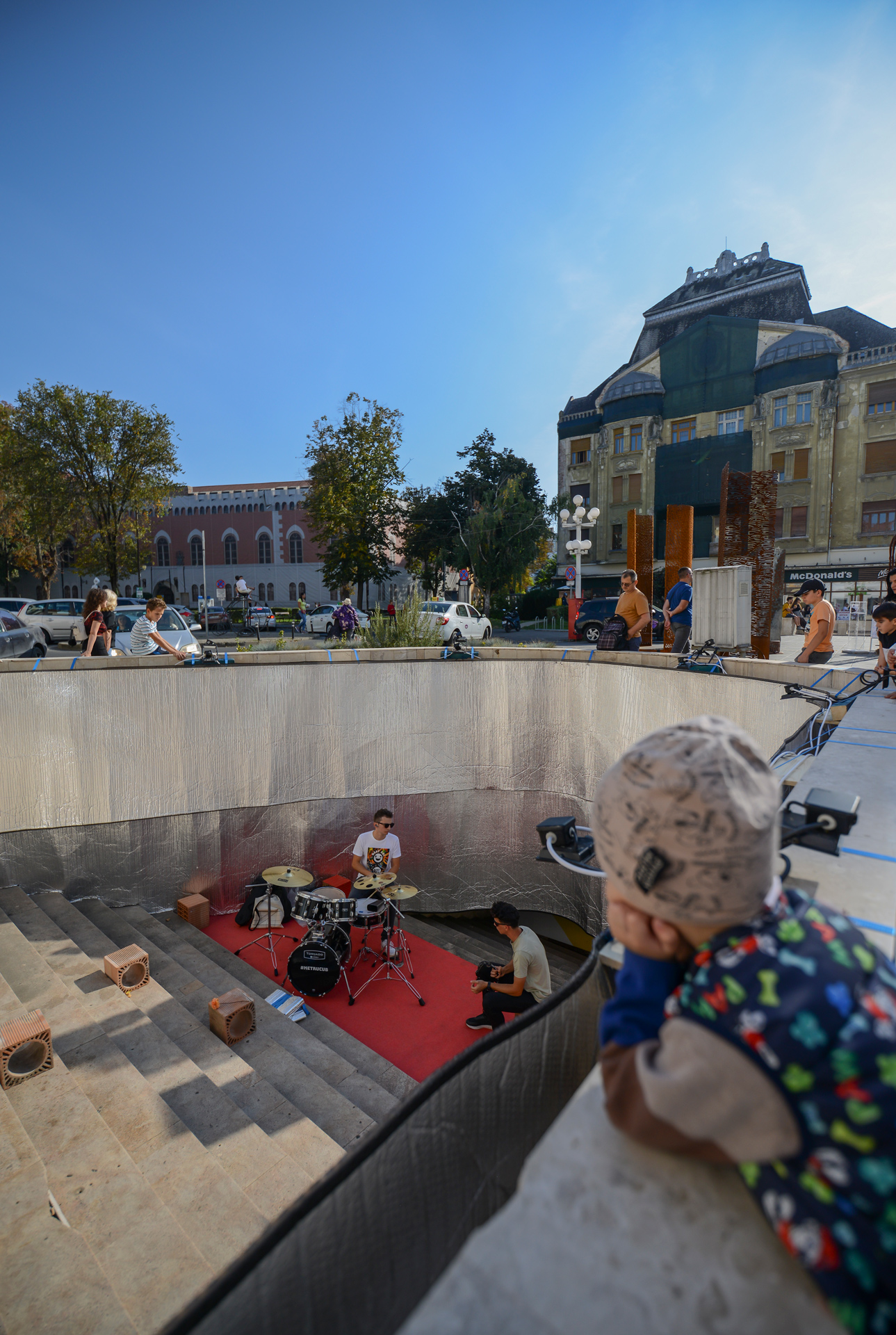
DESIGN AS A MATERIAL PROCESS
The items from BETA’s archive were prioritized over the sourcing of new or foreign materials. All materials taken from storage had to be kept in their same condition. These constraints produced a creative re-purposing of items, discovered through an on-the-ground, hands-on process of design and making. BETA’s curatorial history was re-discovered through a bricolage of material stories, each explorable through QR codes embedded on the pieces.

TEAM
ORGANIZER
Timișoara Architecture Biennial (Beta)
LOCATION
Timișoara, Romania
PHOTOS
Bianca Azap Purice
PARTICIPANTS
Cheşa Eliza
Călin Teodor
Edward Kiss
Petres Tamás
Denisa Landler
Bojici Maia
Ema Cristescu
Alex Naghiu
Miruna Baraitaru
Georgiana Spiri
Anca Teslevici
SUPPORT
LINA Platform
COPYRIGHT 2023
SPACE SAL00N
FUTURO PRONTO

ARCHITECTURE FOR THE THIRD MILLENIUM
Futuro Pronto is a project in collaboration with the Cape Town based design practice, The MAAK. The pavilion is a step in what will become a larger research and design agenda for the Port of Fano, Italy. It is built out of reclaimed materials from the local shipyard as a nod towards the rapidly transforming Port area.
The Port of Fano is a hub for economic activity. As well as its productive value, it has an extremely rich social network, the result of its cultural heritage. However, as it stands today, these activities are cut off from surrounding areas. In projecting a new future for the Port, this project sees potential in exposing and celebrating these existing assets for the experience of everybody.
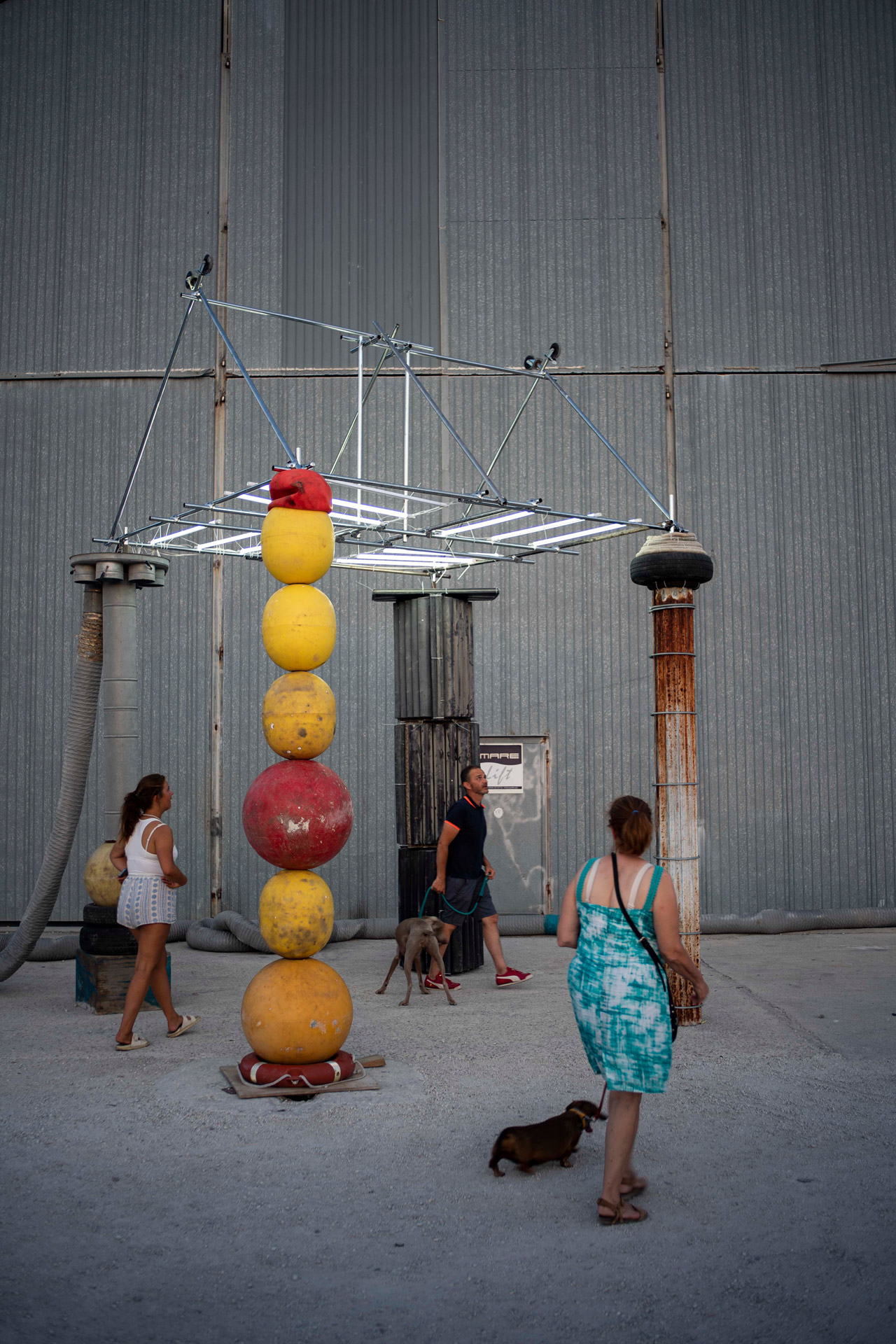

Through a three day workshop, Space Saloon and The MAAK applied their ‘learn-by-making’ and ‘primitive play’ methodologies to the Port’s various layers of ‘rubble’. Reusable material consisting of byproducts from the manufacturing process, scraps from older boats, components on hold for future use, and outdated and discarded objects were used to construct a pavilion exhibiting the area’s hyper-contextual aesthetics and material histories.

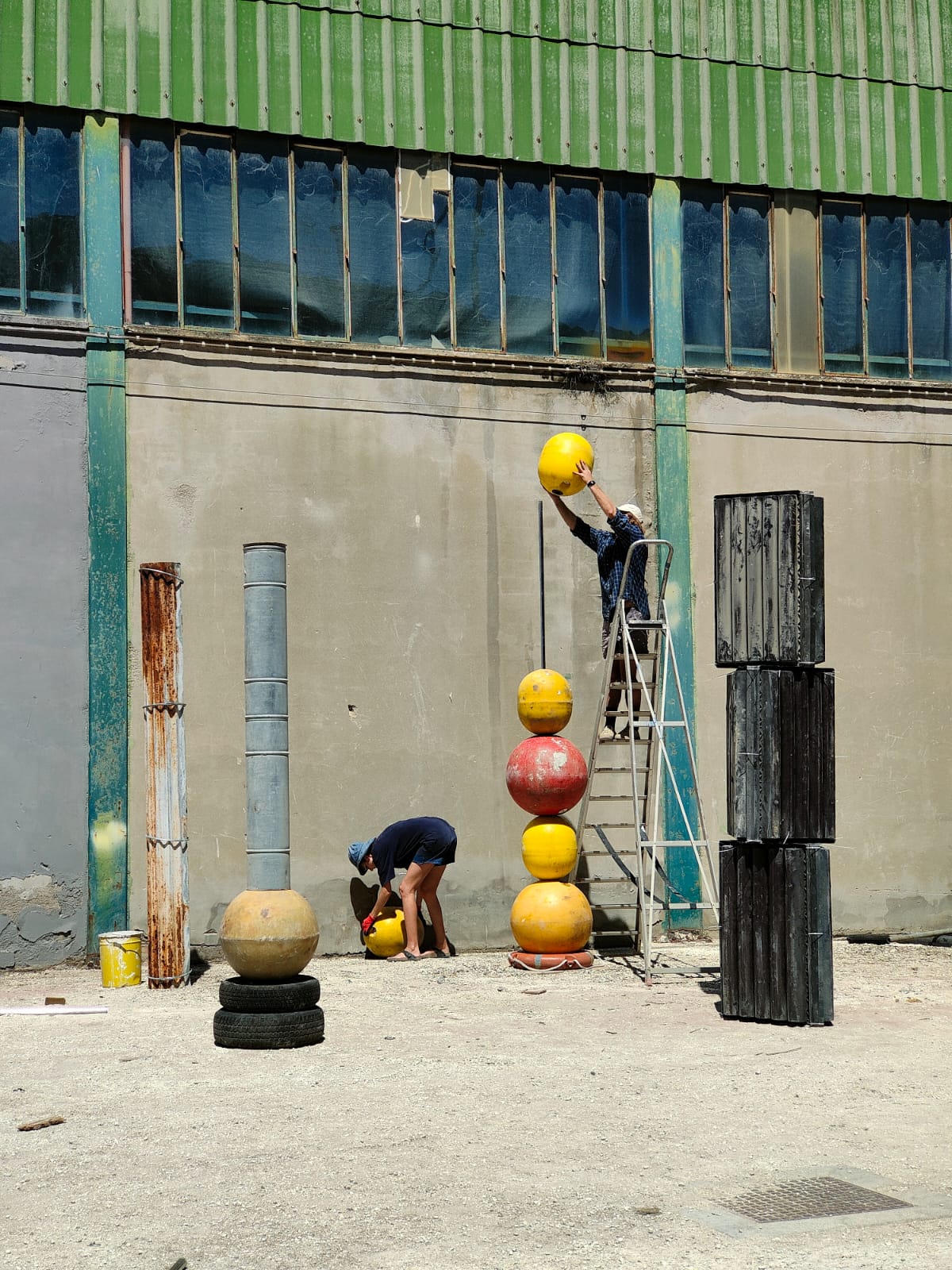
Through a process of ‘urban mining’, materials with a large reuse potential were digitized into a catalog of ready-made components to be further explored. An augmented reality application, developed by the team, complements the pavilion structure and allows the public to imagine their own uses of the materials and spaces in transition.

TEAM